Why AC maintenance in Woodburn’s climate isn’t optional
Marion County summers don’t mimic Phoenix, but Woodburn’s warm spells, mixed with spring pollen and late-summer smoke, challenge any system. Air conditioners here cycle through damp springs, dusty harvest seasons, and the occasional heat wave that pushes runtimes. That combination breeds clogged filters, algae in condensate lines, and grimy outdoor coils. Ignore maintenance and you’ll pay for it in higher bills, short cycling, and surprise breakdowns right when you need cooling the most. After two decades working across Heating & Cooling service, I’ve seen well-built systems crippled by small oversights, while modest units hum along for 15 years because someone respected the basics.
Top AC Maintenance Mistakes to Avoid in Woodburn, OR
Let’s get straight to the point. The fastest way to waste money on Air Conditioning is to treat maintenance as an afterthought. The section below walks through the most common errors I see in homes and small businesses around town. If you avoid these, you’ll extend equipment life, steady your comfort, and dodge 80% of nuisance calls.
1) Skipping filter changes or using the wrong filter
Nothing undermines airflow faster than a clogged filter. In Woodburn, where spring pollen can spike and field dust drifts late summer, a 1-inch filter can load up in 30–60 days. Many folks stretch it to six months. That chokes airflow, drives up static pressure, and forces your blower to run hot. The compressor follows suit. You’ll notice rooms that never quite cool, rising energy bills, and, in worst cases, iced indoor coils.
- What to do: Check monthly; change every 1–3 months depending on dust, pets, and usage. Choose wisely: High-MERV filters catch more, but too restrictive a filter on a system not sized for it starves airflow. If you want MERV 11–13, make sure the return is sized properly or upgrade to a deeper media cabinet. Red flag: Whistling at the return or a bowed-in filter means excessive restriction.
2) Neglecting the outdoor condenser coil
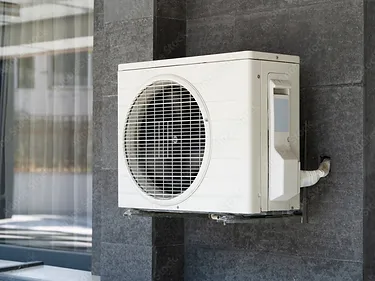
That metal box outside is not a storage shelf, nor is it invisible to cottonwood fluff and grass clippings. I’ve pulled literal blankets of debris off coils that looked silver again underneath. A dirty coil can add 10–20% to your energy use because the unit has to run longer to reject heat. In Woodburn, mowing season alone can plug fins in a month.
- What to do: Shut power, remove the top if needed, and rinse from the inside out with a garden hose, not a pressure washer. Straighten bent fins with a fin comb. Maintain clearance: Keep 18–24 inches of space on all sides. Trim shrubs and don’t stack bikes against it.
3) Forgetting the condensate drain and float switches
Damp springs mean algae. A slimy condensate line can back up and leak into ceilings or closets. Many systems include a float switch that kills cooling when the pan fills. Homeowners think the AC died when it’s actually protecting the drywall.
- What to do: Pour a cup of white vinegar into the drain line every 60 days during cooling season. If your line exits outdoors, confirm a steady drip when the AC runs. Add insurance: If you don’t have a float switch on the secondary pan, ask an HVAC Contractor Woodburn, OR homeowners trust to install one. It’s a low-cost save.
4) Closing too many supply registers to “push” air elsewhere
It seems logical to shut vents in rooms you don’t use. Unfortunately, most duct systems aren’t designed for that back-pressure. Close enough registers and static pressure climbs, blower amps rise, and coils ice. You might even hear ductwork pop.
- What to do: Keep at least 80–90% of registers open. If balancing is needed, adjust dampers at the duct trunks instead of slamming shut room vents. Consider fixes: Undersized returns and leaky ductwork are common. A professional test can confirm with numbers, not guesses.
5) Overlooking thermostat placement and programming
Thermostats mounted near sunny windows, kitchens, or supply vents lie to your system. I’ve seen units short cycle all afternoon because the thermostat baked in the sun. Programming matters too. Aggressive temperature swings force unnecessary starts and stops that wear components.
- What to do: Mount the thermostat on an interior wall away from direct sunlight and supply air. Set smart schedules: Limit swings to 3–5 degrees. Use gradual ramp settings on smart stats if available.
6) DIY refrigerant top-offs without fixing leaks
Refrigerant is not a fuel; it’s a closed-loop medium. If you need a top-off, you have a leak. Adding refrigerant without finding and fixing that leak masks the real problem and risks compressor damage. Also, mixed or incorrect refrigerant types can destroy a system. In Oregon, handling refrigerant requires EPA certification for a reason.
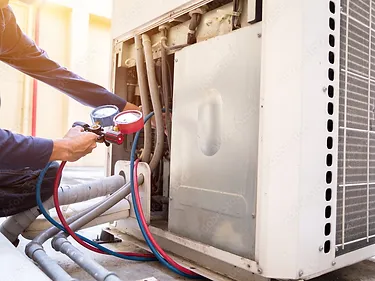
- What to do: If cooling drops and coils freeze, call a licensed pro. Demand a leak search and documented readings: subcooling, superheat, and static pressure. Accept the trade-off: Sometimes replacing a coil or lineset beats paying for annual recharges.
7) Ignoring strange noises and short cycling
Rattles, squeals, clicking relays, or a unit turning on and off every few minutes signal trouble. A failing capacitor costs far less than a stressed compressor. In my logbook, catching a weak capacitor early saves $300–$1,000 in collateral damage on average.
- What to do: Note the sound, location, and timing. Share those details with your technician. Small clues speed diagnosis.
Seasonal strategy: what matters most in Woodburn
For Heating and Air Conditioning in Woodburn, OR, seasonality drives your checklist. Spring favors drain cleaning and filters. Early summer is for outdoor coil cleaning and verifying refrigerant charge. Late summer, watch for smoke and ash that foul filters faster. Before fall, switch modes and test heat. If you rely on a heat pump for both Heating and cooling, a biannual service visit earns its keep. The technician should measure static pressure, temperature split, voltage and amperage, and refrigerant metrics under load. Ask for those numbers on the work order. Healthy systems have healthy data.
Professional maintenance: what a quality tune-up includes
Not all “tune-ups” are equal. A thorough visit from an HVAC Company Woodburn, OR residents recommend should include:
- Filter inspection and correct sizing advice Outdoor coil cleaning and indoor coil inspection where accessible Drain line flush, pan check, and float switch test Electrical testing: capacitors, contactor, connections, and motor amps Airflow verification: static pressure and temperature split Refrigerant performance: superheat and subcooling readings Ductwork check for obvious leaks or restrictions Thermostat calibration and schedule optimization
Expect 60–90 minutes for a proper AC-only visit. Heat pump combo service takes longer. Price ranges vary, but in our area, you’ll often see $120–$220 for a single system. Companies like Whirlwind Heating & Cooling offer maintenance plans that bundle visits and priority service, which matters during heat waves when schedules fill up fast.
Top AC Maintenance Mistakes to Avoid in Woodburn, OR
It bears repeating: “Top AC Maintenance Mistakes to Avoid in Woodburn, OR” isn’t about scare tactics. It’s a simple list with big payoffs. Change filters before they clog. Keep the outdoor coil clean. Clear the drain. Leave refrigerant to pros. Don’t strangle airflow by closing vents. Program the thermostat with steady targets. And when something sounds off, act early. I’ve walked into attic units where a $20 float switch prevented a $2,000 ceiling repair. Small choices protect big investments.
When to call a pro versus DIY
Plenty you can handle yourself: filters, coil rinsing, clearing debris, vinegar in the drain, and thermostat schedules. Call an HVAC Contractor Woodburn, OR trusts if you see ice on the refrigerant lines, smell electrical burning, hear persistent short cycling, or find water in the secondary pan. If you’re unsure about filter sizing or airflow, one static pressure test answers more than a dozen guesses. A seasoned technician can also spot mismatched equipment, undersized returns, or duct leaks that cost you comfort every day.
FAQ: quick answers Woodburn homeowners ask
How often should I service my AC in Woodburn?
Once a year for AC-only systems; twice a year for heat pumps handling both Heating Whirlwind Heating & Cooling hvac contractor & Cooling.
What MERV rating should I use?
Why is my AC running but not cooling well?
Common culprits: dirty filter, clogged outdoor coil, low refrigerant from a leak, or restricted ducts. Start with the easy checks, then call a pro.
Can I hose off my outdoor unit?
Yes. Cut power first. Rinse from inside out, gentle pressure, and avoid bending fins.
Do maintenance plans really help?
For many, yes. They lock in scheduling, document system health, and often catch small issues early. Local providers like Whirlwind Heating & Cooling include priority service during peak demand.
Your next steps for reliable comfort
The playbook isn’t complicated. Mark your calendar for filter checks. Keep the outdoor unit clean and clear. Treat the drain line during cooling season. Program the thermostat with moderate swings. Schedule a professional tune-up before peak heat. If you need help, look for a reputable HVAC Company Woodburn, OR homeowners recommend, verify licensing, and ask for test results in writing. Done consistently, these habits protect efficiency, extend equipment life, and keep your home feeling steady even when temperatures jump.
Name: Whirlwind Heating & Cooling
Address: 4496 S Elliott Prairie Rd, Woodburn, OR 97071
Phone: (503) 983-6991
Plus Code: 46GG+79 Woodburn, Oregon
Email: [email protected]